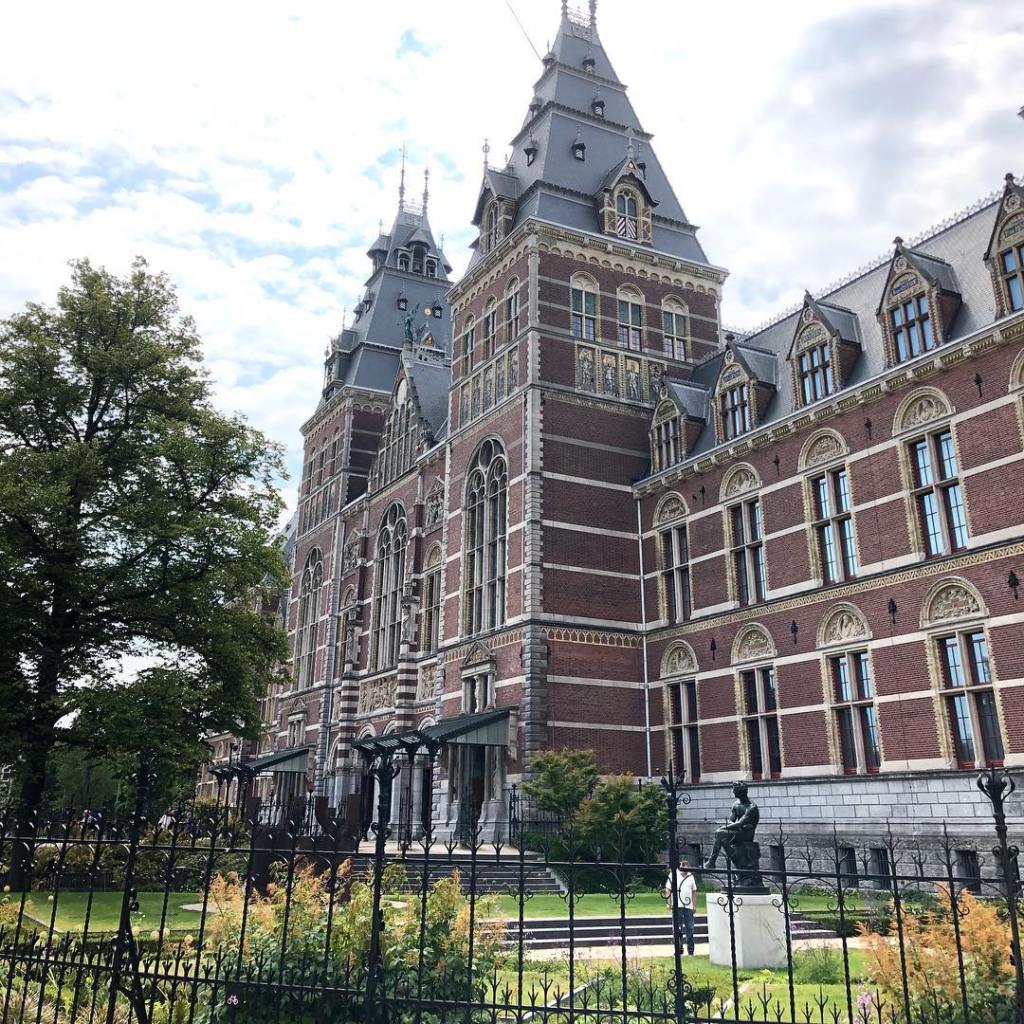
São mais de 800 anos de história espalhados pelas muitas salas de um edifício que domina a Museumplein, a praça (na verdade mais um relvado) que alberga ainda o Museu Van Gogh, o Stedelijk Museum e a sala de concertos mais célebre de Amesterdão, o Concertgebow. Fundado em Haia em finais do século XVIII, transferido para Amesterdão em 1808, com morada inicial no Palácio Real e, depois, na Trippenhuis, o Rijksmuseum conheceu casa própria inaugurada em 1885, a mesma que agora ocupa e que, no início do século XXI, conheceu uma profunda remodelação sob linhas definidas pelos arquitetos espanhóis Antonio Ortiz e Antonio Cruz. A pintura de grandes mestres como Vermeer ou Rembrandt representa parte significativa dos motivos pelos quais muitos visitam diariamente um museu que, todavia, tem muito mais para partilhar, nomeadamente ecos da história holandesa e da sua relação com outras geografias. Mesmo assim, a galeria central do piso nobre, dominada pela “Ronda da Noite” de Rembrandt é destino a colocar no centro de quaisquer trajetos a fazer entre as salas do museu.
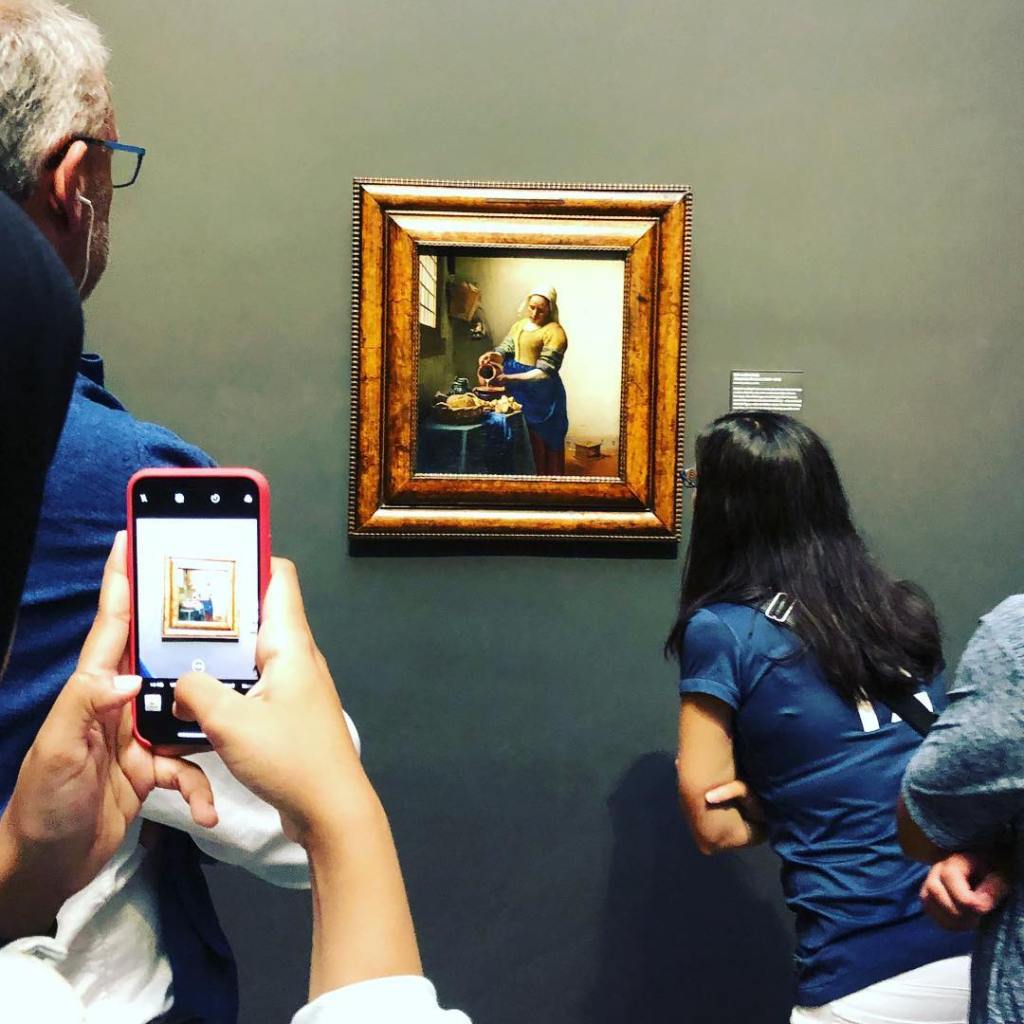
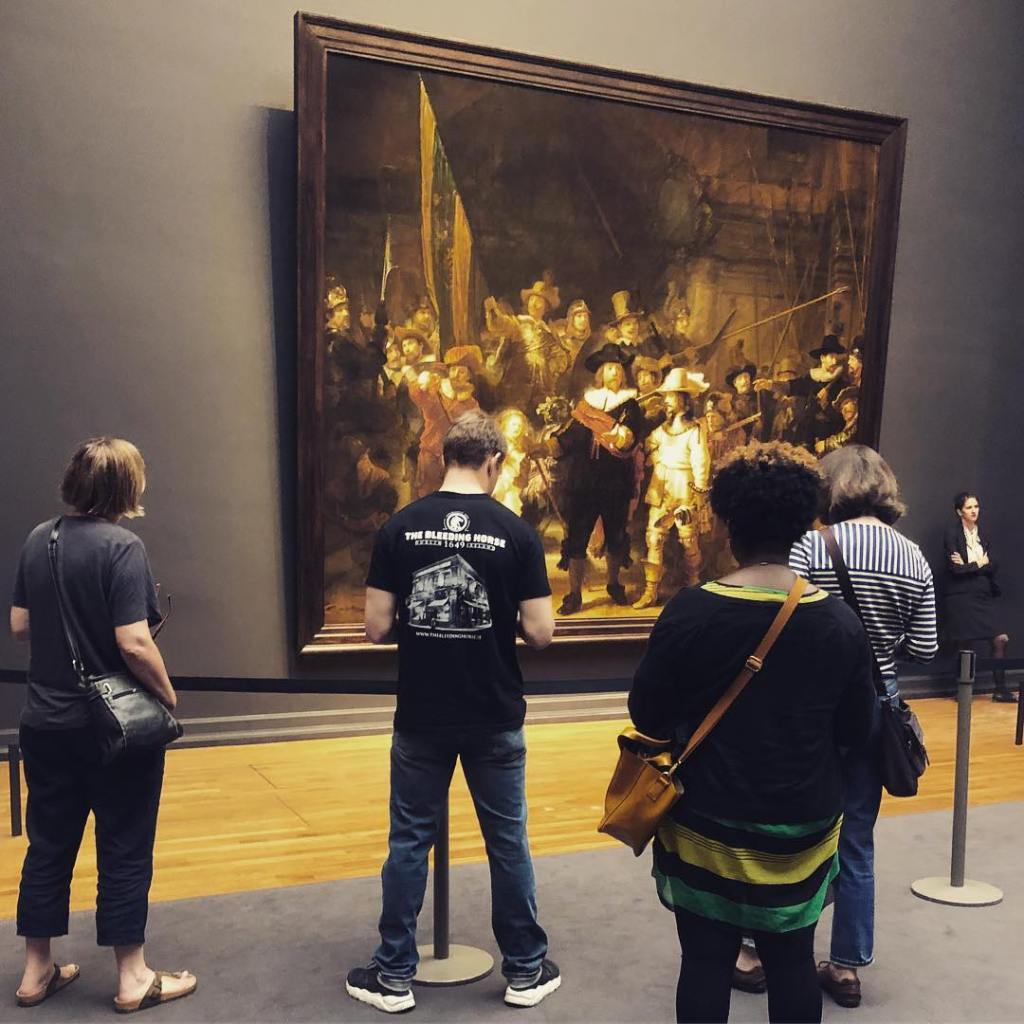
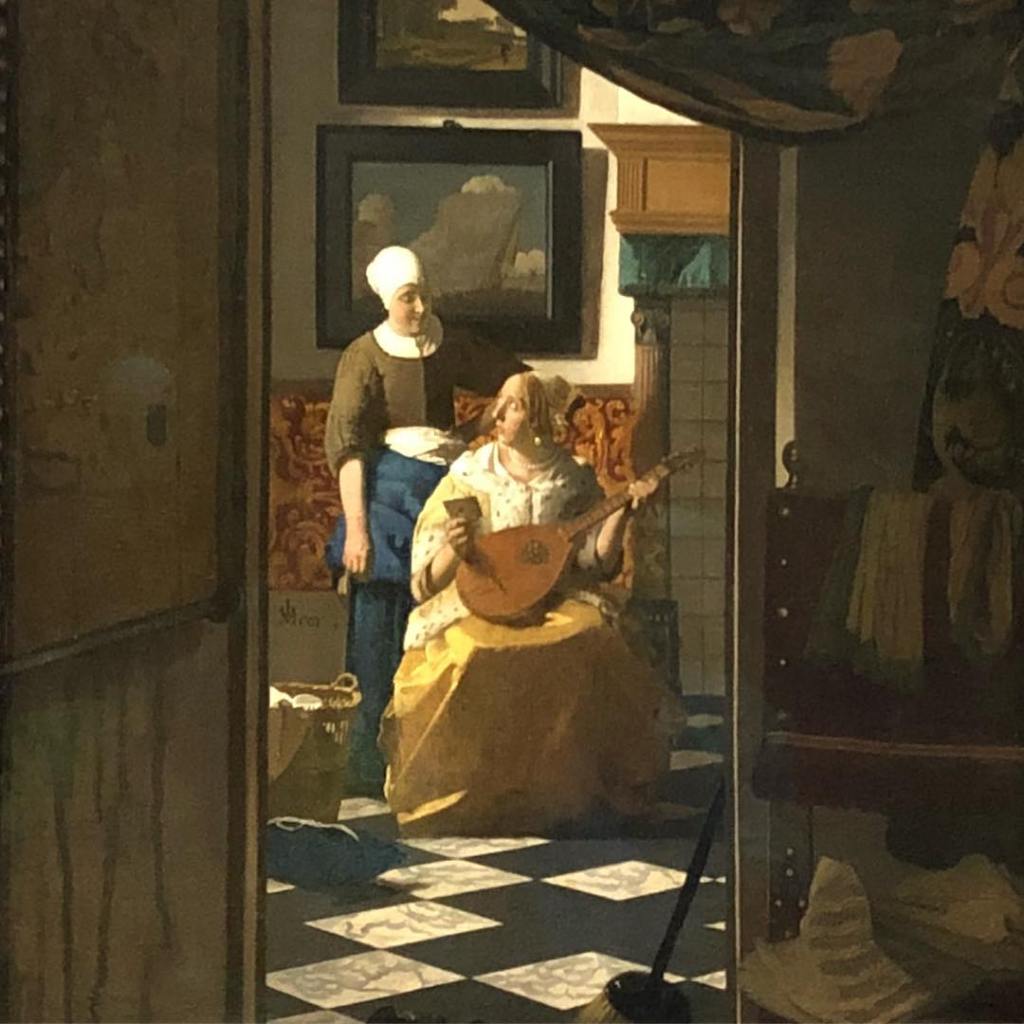
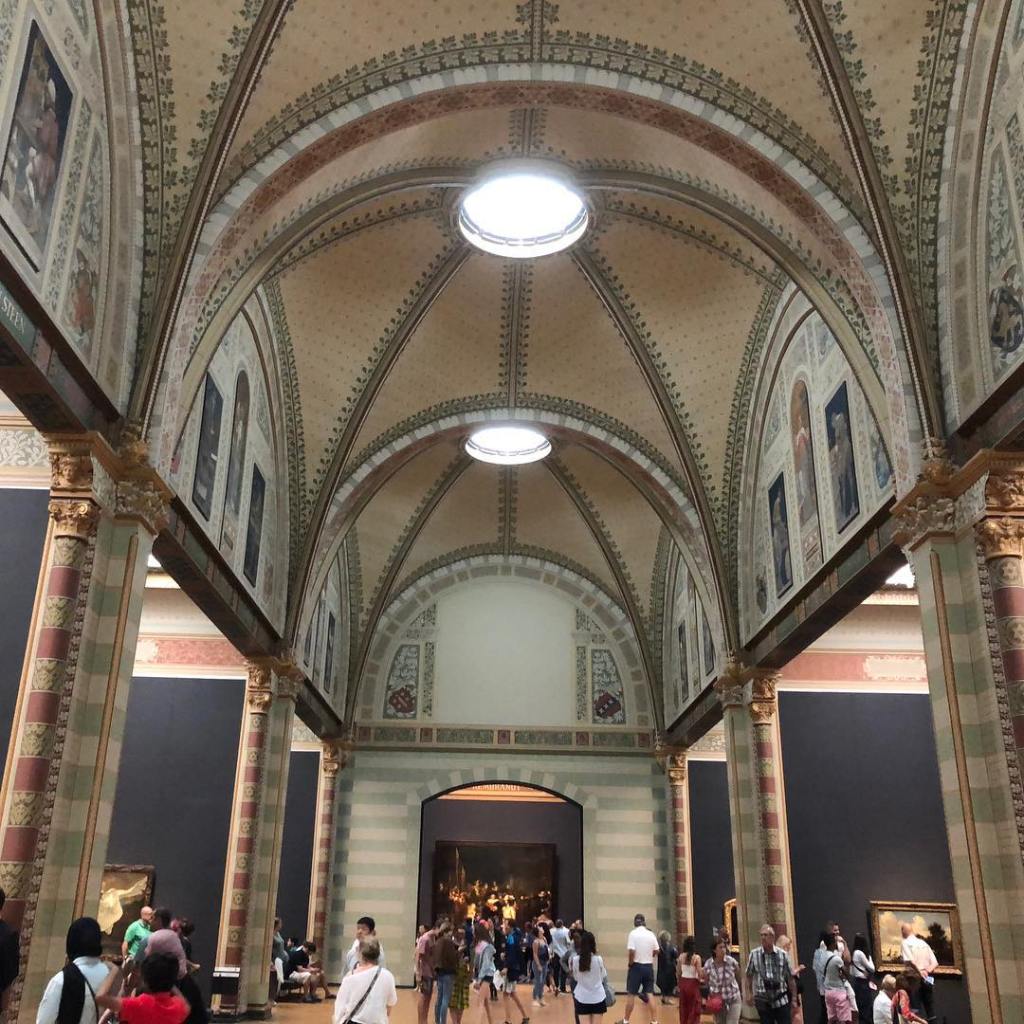
There are more than 800 years of history spread across the many rooms of a building that dominates Museumplein, the square (actually more of a lawn) that also houses the Van Gogh Museum, Stedelijk Museum and Amsterdam’s most famous concert hall, the Concertgebow. Founded in The Hague at the end of the 18th century, transferred to Amsterdam in 1808, initially located in the Royal Palace and then in the Trippenhuis, the Rijksmuseum finally found its own “home” in 1885. It’s the same building it now occupies and which, at the beginning of the 21st century , underwent a profound remodeling following lines defined by spanish architects Antonio Ortiz and Antonio Cruz. Paintings by great masters such as Vermeer or Rembrandt represent a significant part of the reasons why many visit the museum every day that, however, has much more to share, namely echoes of various stages of dutch history and its relationship with other geographies. Even so, the central gallery on the main floor, dominated by Rembrandt’s “Night Watch”, is a destination to place at the center of any routes to be made across the museum’s rooms.
 Museus e exposições
Deixe um comentário